
Historian Will Durant, author of the eleven-volume series, The Story of Civilization, once wrote that he wanted his readers to view “history as our roots and our illumination, as the road by which we came and the only light that can clarify the present and guide us into the future….” He worried “that we of this generation give too much time to news about the transient present, too little to the living past.”
“We are choked with news,” he said, “and starved of history.”
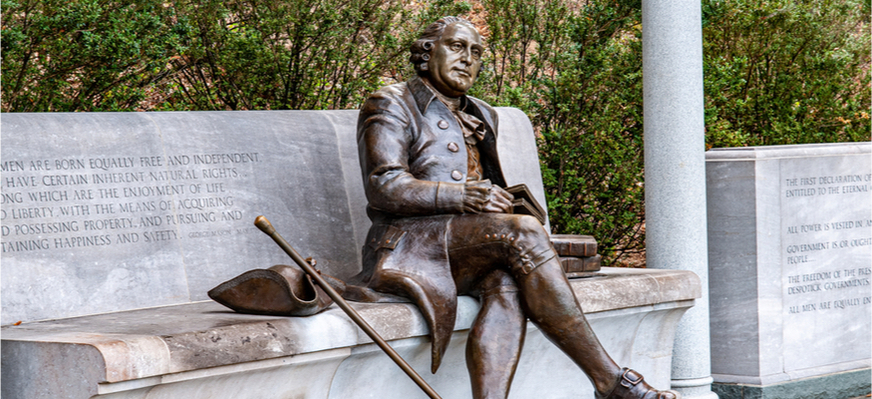
Today, America faces a crippling national identity crisis. Civic literacy is declining, and patriotism has reached an all-time low. Fortunately, we don’t have to navigate this crisis alone. Over the past 250 years, apologists for freedom, from George Mason to Calvin Coolidge, Abraham Lincoln to John F. Kennedy, have helped exposit the immortal truths of the Declaration of Independence, the roots of American government, and the revolutionary beliefs of our forefathers. Their wisdom continues to shed light on those important topics.
If we want to understand the world around us, the ins and outs of our constitutional Republic, and the duties of citizenship and public service, we must endeavor to understand the past. The answers to our questions are all just waiting to be found, buried in neglected, but no less essential speeches from history. All we have to do is dust off the old volumes and rediscover America’s “Forgotten Foundations”.
As we embark on a celebration of 250 years of independence, “Forgotten Foundations” highlights and explores speeches of lesser renown that explain and amplify the American form of government and our highest ideals.
Shall we begin?
In January 1961, President-elect John F. Kennedy stopped in Boston, Massachusetts, to address the state legislature, and outlined how public servants should measure themselves. His words are no less stirring and important today. Click here to read “Kennedy’s clarion call from Beacon Hill”.
In a February 4, 1919, veto message to the Massachusetts state legislature that had voted itself a significant pay increase, then-governor Calvin Coolidge reaffirmed the first principles of the citizen-legislator and reminded the legislators of the importance of appearances in public service. Click here to read “‘Appearances cannot be disregarded’: Calvin Coolidge and the citizen-legislator”.
James A. Garfield was one of the most capable Americans to serve as president. His assassination cut short what may have been a history-altering era of reform. In his March 4, 1881, inaugural address, Garfield eloquently pledged to uphold the promises of the Constitution for all Americans. Click here to read “James Garfield: No permanent disenfranchised peasantry in the United States”.
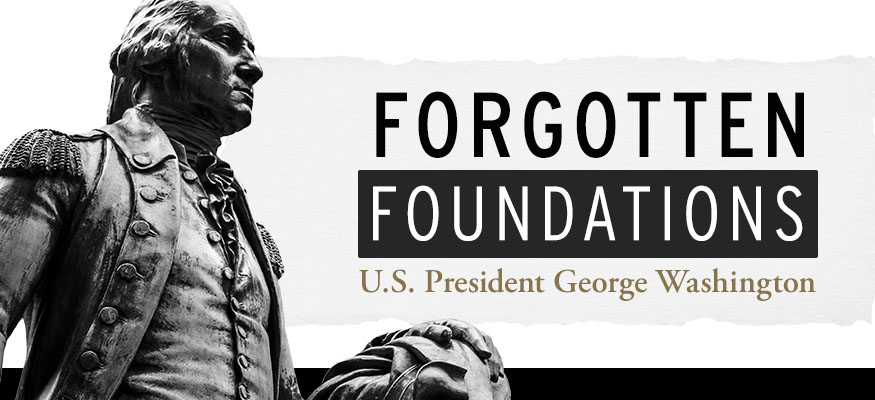
On April 30, 1789, George Washington, amid grave anxiety about being the first American to assume the office of the presidency, established the tradition of presidential inaugural addresses when he spoke to a joint session of Congress. While not as renowned as his Farewell Address, Washington established a guide for his successors in his first act as president. Click here to read “Setting the Precedent: George Washington’s first inaugural”.
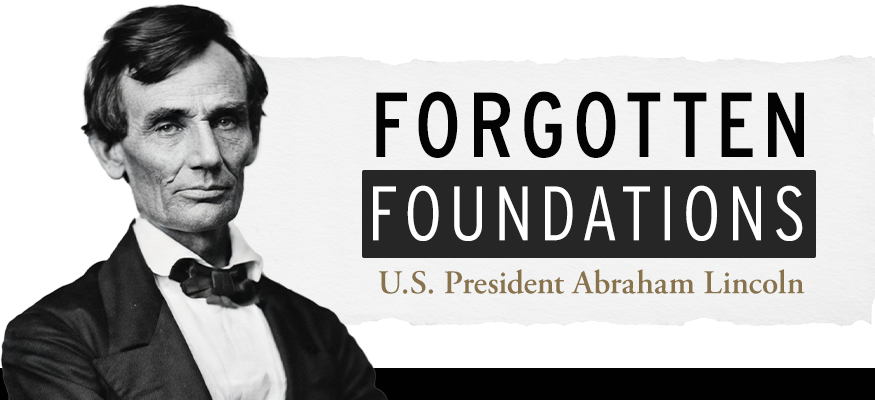
Abraham Lincoln’s political speeches have been likened to prose poetry, composed by one of the most gifted writers that has ever lived in the White House. Yet one of his greatest orations, delivered in 1856 in Bloomington, Illinois, amid a volatile atmosphere in American politics, was never saved for posterity. Click here to read the fascinating story of Lincoln’s “Lost Speech”.
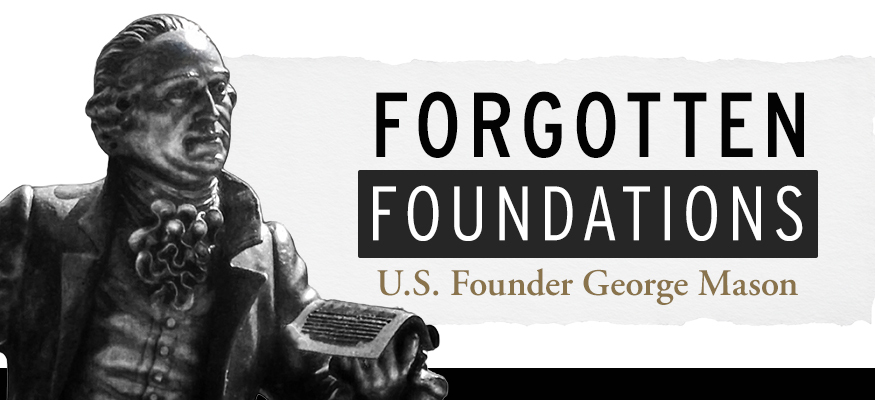
Why did the man who secured the right of the states to have the means to amend the Constitution in Article V refuse to sign the document upon its completion in Philadelphia in 1787? Mason explained his reasoning in his distinctively eloquent manner on June 4, 1788, during the Virginia Ratifying Convention. Click here to read about this intriguing address and whether Mason’s arguments stood the test of time.